When you reopen a house in the Algarve after a closed winter, open the main valve slowly, watch the meter for ten minutes with every tap shut, then flush each tap and shower for a few minutes before anyone drinks the water or takes a shower. Restart the water heater only once it is full, heat it above 60 degrees for the first cycle, and check under every sink before you unpack.
A house that sat closed from October to March has had five months of still water in its pipes, dry seals in the traps and a water heater that has been either off or idling. Most of what goes wrong on the first day back is small: a flexible hose that cracked, a cistern valve that sticks, a smell from a dry drain. The order below is the one we follow on reopening visits in Tavira, Cabanas and Santa Luzia, and it catches those small things before they turn into a wet floor.
Before you touch the water
Walk round the house first with the water still off. Look at the ceilings under bathrooms, the base of the kitchen units and the floor around the water heater. Any stain that was not there in autumn tells you where to look once the pressure is back.
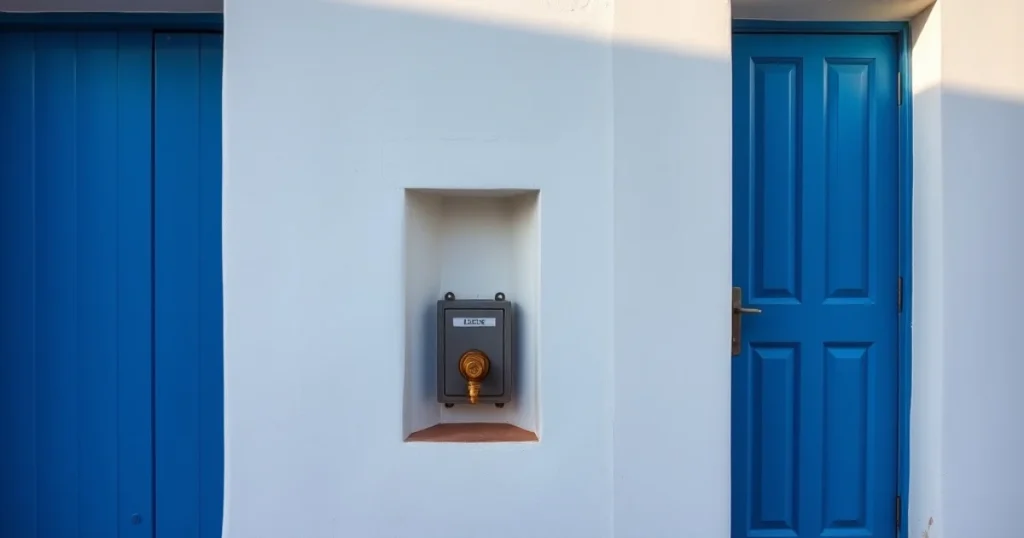
Then read the meter and write the number down. If you followed a shut down routine in autumn, you will have the reading from the day you left, and the two should match exactly. If the meter moved while the main valve was closed, the valve itself is letting water through, and that needs fixing before anything else.
Turning the main valve back on, slowly
Open the main stop valve a quarter turn and wait. Pipes that have been empty or at low pressure for months fill with air, and a fast opening sends a pressure spike through every joint in the house. A slow opening lets the air escape through the taps instead.
- Open one tap in the kitchen and one at the highest point of the house, usually an upstairs bathroom, before you open the main valve.
- Open the main valve a quarter turn. You will hear air spitting from the open taps.
- When the taps run steadily without spitting, open the valve fully and close the taps.
- Go back to the meter. With everything shut, the small red dial should be completely still for ten minutes.
If the dial turns, something is leaking. The three usual suspects on a reopening are a cistern that never stops filling, a flexible hose under a sink that split over winter, and the safety valve on the water heater.
The first day checklist, room by room
This is the full list in the order that saves you walking back and forth. It takes about an hour in a two bedroom house.
Flushing the pipes before you drink or shower
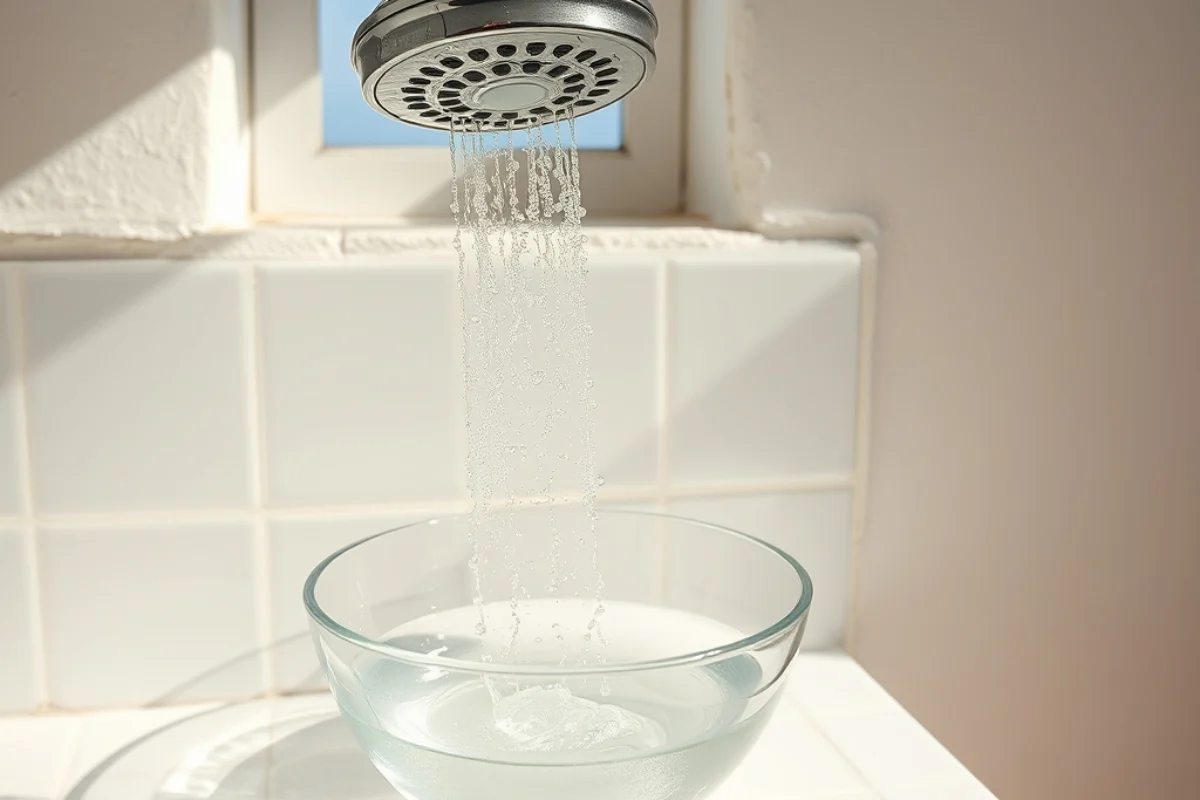
Water that sat in the pipes all winter is not dangerous by default, but it has been warm, still and in contact with old fittings for months. Running every outlet for a few minutes replaces it with fresh water from the mains. Start with the cold taps, one at a time, then do the showers.
Showers deserve a moment of care. The fine spray from a shower head is how water gets into the lungs, and a shower head that sat wet all winter is exactly where bacteria like to grow. Unscrew the head, soak it in vinegar for an hour to lift the limescale, and run the shower hot for a couple of minutes with the bathroom window open before the first person uses it. Portuguese public health guidance on Legionella prevention says the same thing for homes: let water run through every outlet after a long period without use, and clean shower heads and tap aerators regularly.
Restarting the water heater safely
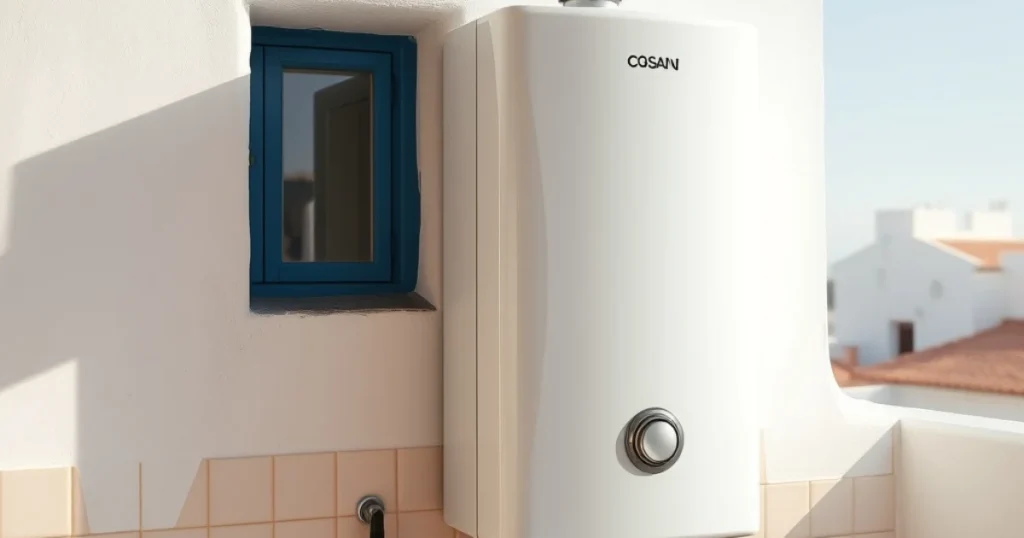
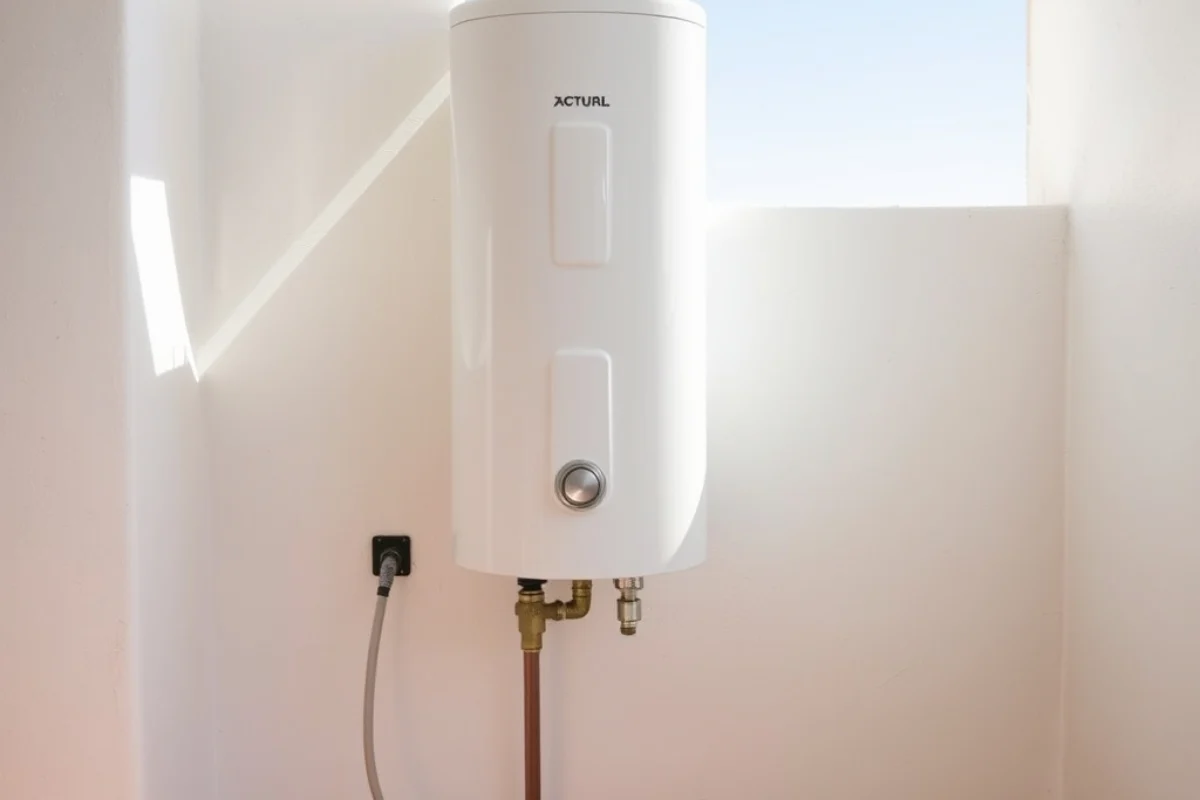
Whether you have an electric termoacumulador or a gas esquentador, the rule is the same: water first, power second. An electric heater switched on while it is still partly empty can burn out its element in minutes.
For an electric cylinder, open a hot tap and wait until it runs without air, which tells you the tank is full. Then switch it on at the breaker and set the thermostat to 60 degrees or above for the first heating cycle. That temperature, also in the national Legionella guidance, is enough to deal with whatever grew in the tank over the winter. Once it has been hot for a few hours you can lower it if you prefer.
For a gas esquentador, check the batteries first, because they are usually flat after a winter. Open the gas valve at the bottle or the meter, then open a hot tap. If it does not light after a few tries, do not keep trying. A weak spark, a faulty water flow sensor or air in the gas line all need someone to look at them.
Then look at the safety valve, the small valve on the cold inlet of an electric cylinder with a pipe going to the drain. A little water when the heater warms up is normal. A constant drip is not, and over a season it adds a noticeable amount to the water bill.
Drains, smells and the traps that dried out
Every sink, shower and floor drain has a trap, a bend that holds water and stops sewer gas coming back into the house. Over a closed winter that water evaporates, and the first thing you notice when you open the door is the smell. Usually it is nothing more than that: pour a jug of water down each drain and the smell is gone within the hour.
If the smell stays after every trap is full, or if a drain gurgles when you flush a toilet, the problem is further down. In older houses in Conceição and the hills behind Tavira that often means the septic tank or a blocked vent, which is a different job from a dry trap.
Outside: garden taps, hoses and the pool line
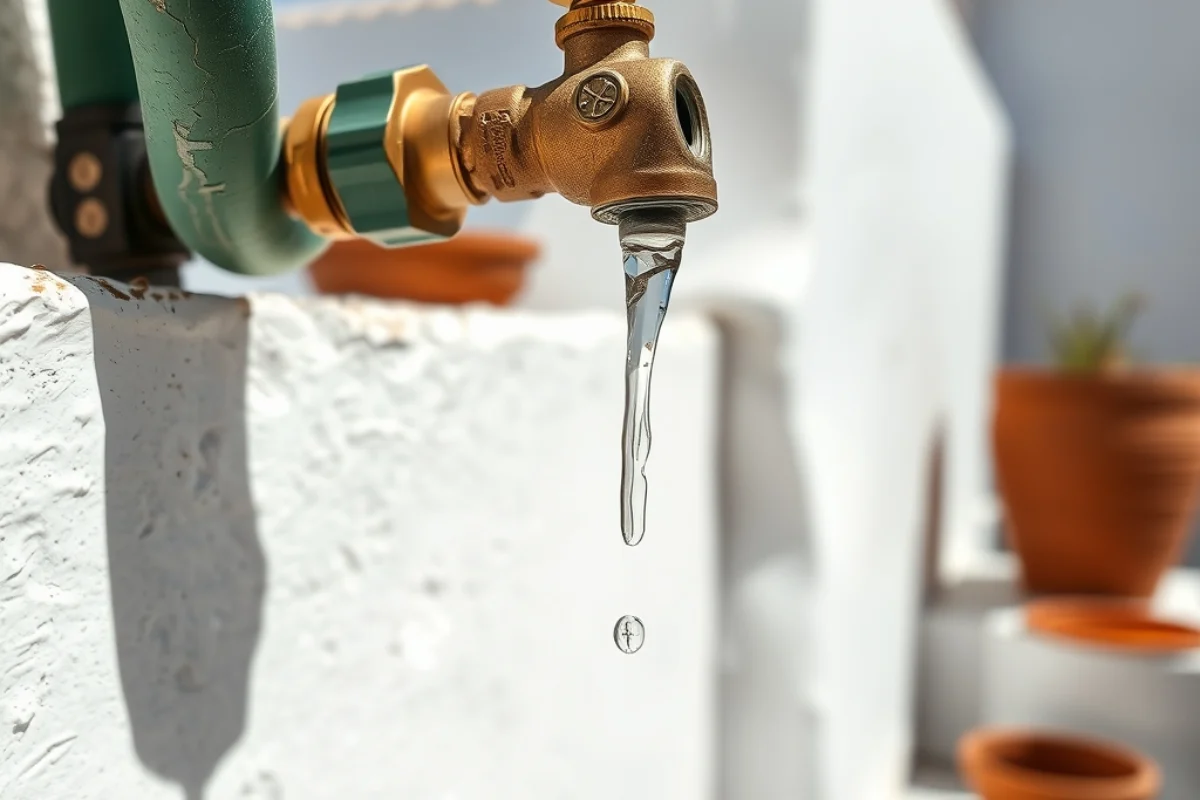
The outside of the house is where winter does the most hidden damage. Garden hoses left connected all winter split at the fittings, and hose connectors crack in the sun. Open each outside tap, look at the connection and listen. Walk the garden and look for patches that are wetter or greener than the rest.
If the house has an automatic pool top up or an irrigation system, leave both off on the first day. Get the house itself right first, then deal with the garden and the pool once you know the meter is still with everything inside shut.
When the problem is not plumbing
Not everything you find on reopening day is a plumbing job. Black spots on bathroom ceilings and a musty smell in wardrobes are almost always condensation in a closed house, not a leak, and a deep clean with the windows open does more than any plumber. A stain at the top of a wall after winter rain usually comes from the roof or terrace above. Swollen doors and stiff shutters are carpentry. The meter is what separates a plumbing problem from the rest: if the dial is still with everything closed, the water you are seeing did not come from the pipes.
If you are not there to do it yourself
Many owners come back weeks after the house needs to be ready, especially when the first guests arrive before they do. A pre season visit covers the same list: valves, flushing, water heater, traps, outside taps, and a written note of anything that needs fixing, with photos. Our plumbers publish 2026 prices of 80 to 140 euros for a full pre season plumbing check for holiday homes and rentals, and the repairs found on the day are quoted before anything is done.
The reopening is also the mirror image of the autumn shut down. If you close the house again next winter, the plumbing shut down checklist for an empty Algarve house makes this spring visit much shorter. And if the first showers leave white marks on the glass within a week, that is the local water, which we explained in hard water in Tavira and what it does to your plumbing.
Questions owners ask
How long should I run the taps after a closed winter?
Two to three minutes for each cold tap, and a couple of minutes of hot for each shower once the water heater is up to temperature. Do the cold taps first, one at a time.
Is the water safe to drink after the house has been closed?
Yes, once you have flushed the pipes. Mains water in the Algarve is treated, but water that sat still in the house for months should be run off before drinking, especially from the kitchen tap.
Why does the house smell of sewage when I arrive?
Almost always because the water in the drain traps evaporated over winter. Pour a jug of water into every sink, shower and floor drain. If the smell is still there an hour later, call a plumber.
What temperature should the water heater be on after reopening?
At least 60 degrees for the first heating cycle. It is the temperature public health guidance recommends for hot water storage, and it deals with bacteria that grew in the tank while it was off.
The meter is moving with everything shut. What now?
Check the cisterns, the water heater safety valve and the outside taps first. If all three are dry and the meter still moves, the leak is hidden, and it is time for leak detection rather than guesswork.