Before the first real rain of the autumn, an Algarve house needs ten checks: roof tiles, gutters and downpipes, the drains on flat roof terraces, cracks in the render, window and door seals, shutter boxes, the chimney, the drains around the house, trees and loose things in the garden, and ventilation inside. Most take minutes, and together they prevent the leaks and stains that otherwise appear in December.
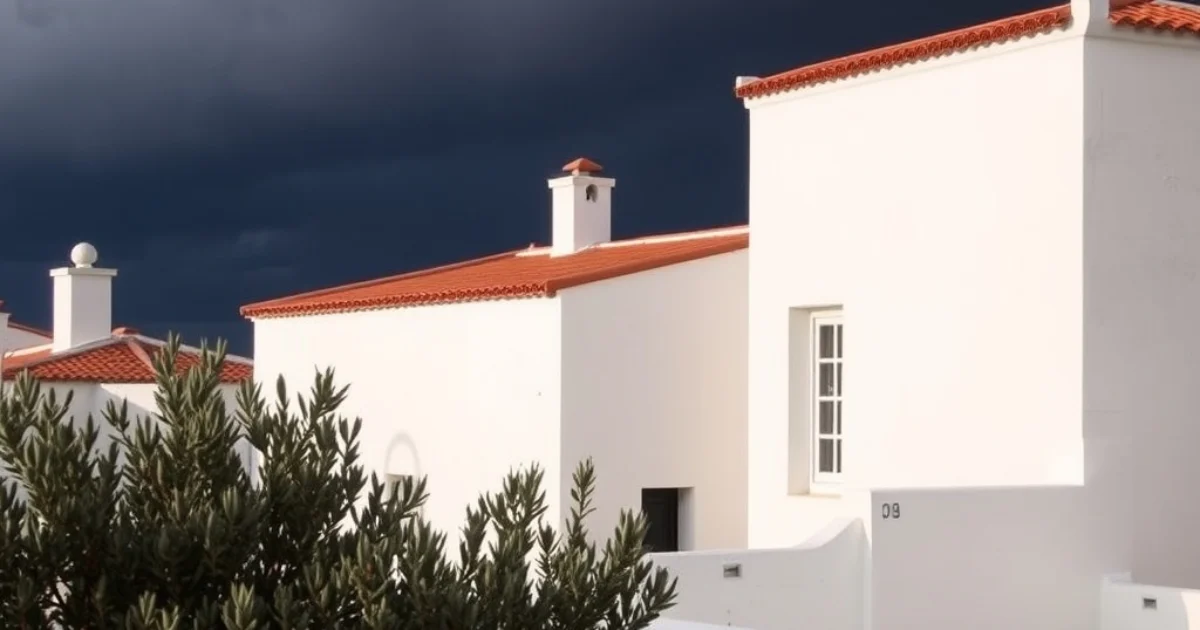
Most of the year’s rain in the eastern Algarve falls between October and March, and it often arrives in a few heavy days rather than a steady drizzle. A house that has had six dry months of sun, dust and salt air meets that first storm with blocked gutters, a terrace drain full of sand and a crack in the render nobody noticed. The checks below are in the order we do them on a house in Tavira, from the roof down.
1. Roof tiles
Summer heat and the odd strong wind move tiles. From the street, or from a neighbour’s terrace, look along each slope for tiles that have slipped, cracked or lifted at the edges, and for gaps along the ridge. On older roofs in Tavira’s centre and in Conceição, the mortar along the ridge and the edges is often what fails first.
Do not walk on a tiled roof to check it. Old canudo tiles break under a foot, and the repair costs more than the check. If something looks wrong, have it looked at from a ladder by someone who does it every week.
2. Gutters and downpipes
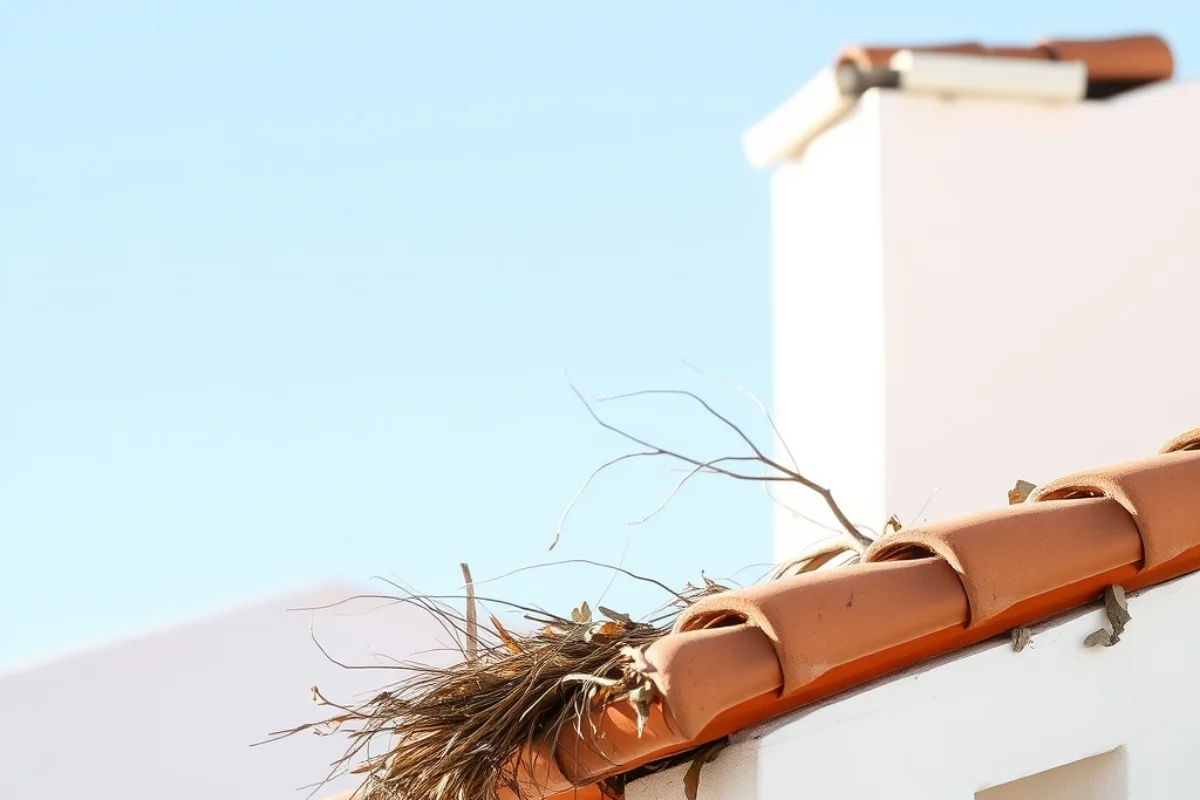
A summer of dust, leaves, pine needles and the occasional bird’s nest settles in the gutters. When the first storm comes, a blocked gutter overflows down the front of the house, and a blocked downpipe can push water back under the tiles. Clear the gutters, then pour a bucket of water into each one and check that it runs out freely at the bottom of the downpipe.
3. The drains on flat roof terraces
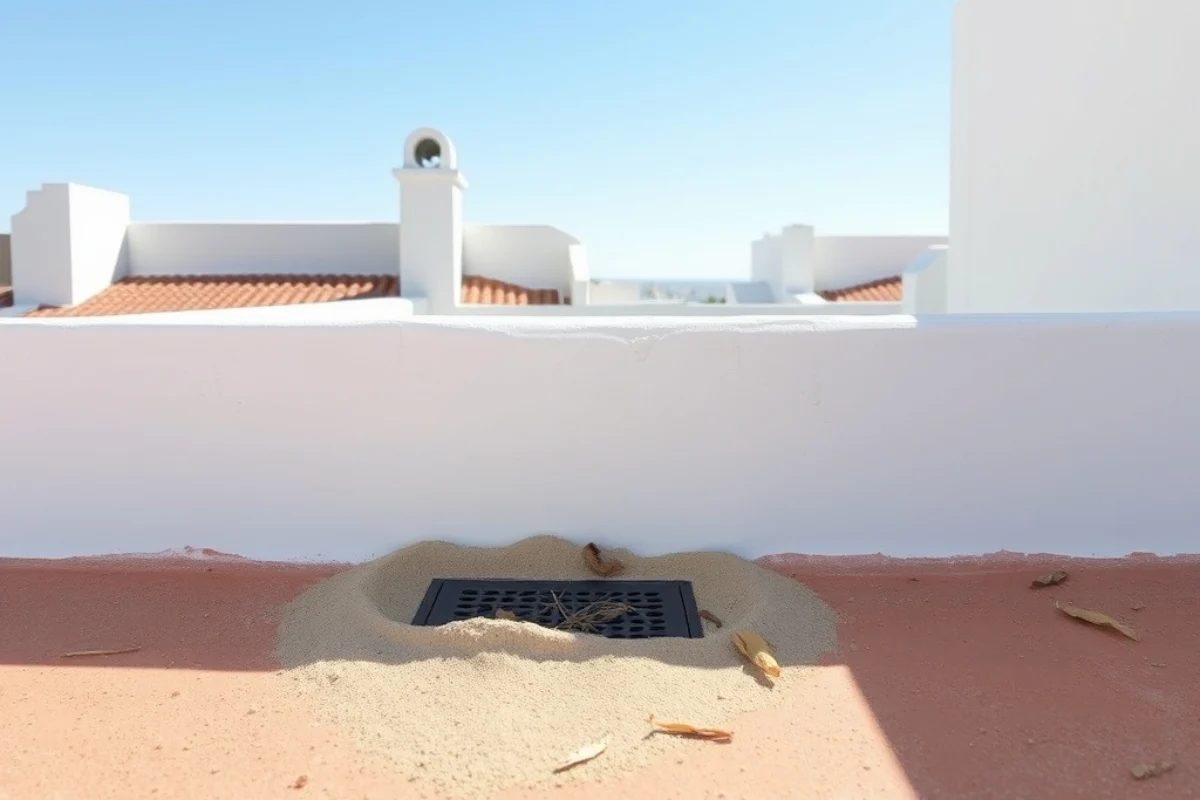
The flat roof terrace, the açoteia, is the single most important check on many Algarve houses. Rain on a flat roof has only one way out, through one or two small drains. If those are blocked with sand, leaves or a summer of calima dust, the water pools, and pooled water finds every crack in the tiles and the waterproofing underneath.
Clear every terrace drain and its grille, then check that water runs away. While you are up there, look for cracked tiles, open joints and gaps where the terrace meets the walls. A stain on the ceiling of the room below, after rain, almost always starts here, and the waterproofing itself is a job for a specialist; our painters cover it under terrace and roof waterproofing.
4. Cracks in the render
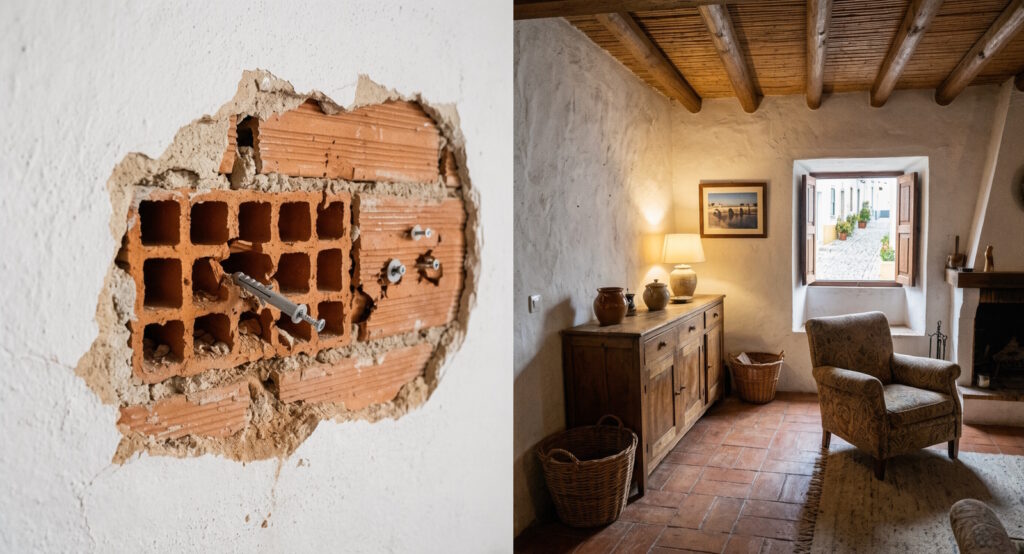
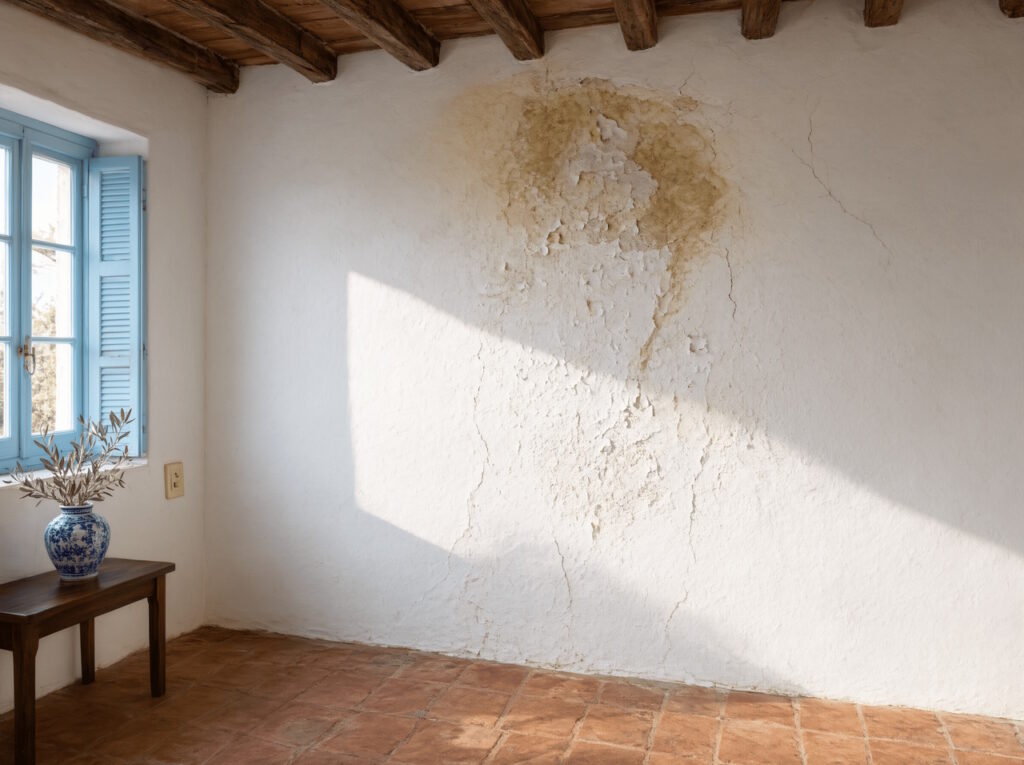
Fine cracks in the render are normal on Algarve houses after years of sun. The ones to look for are new, wider, or running diagonally from the corners of windows and doors, because those let water into the wall and show up inside as damp or flaking paint. Small cracks can be filled before winter. Long diagonal cracks, or cracks that open again after being filled, need someone to look at the cause.
5. Window and door seals
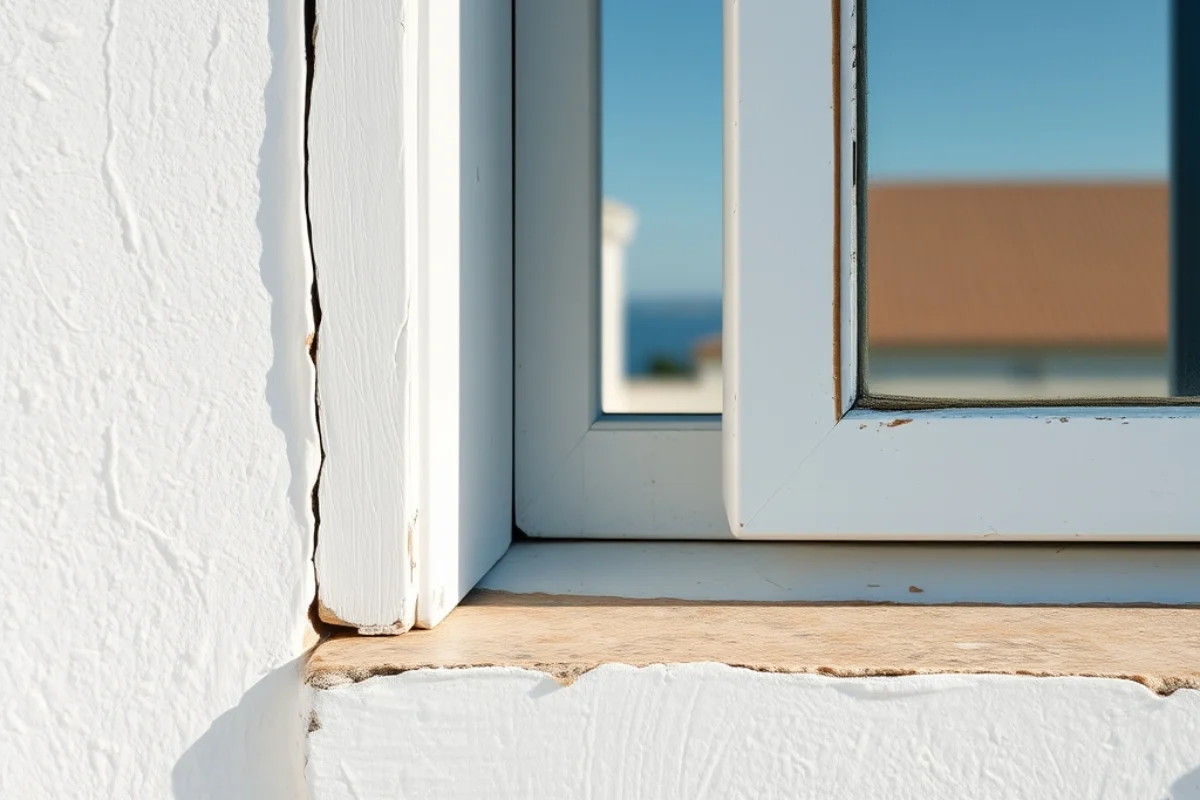
Check the silicone or mastic around every window and outside door. After a few summers it shrinks, cracks and comes away from the frame, and wind driven rain gets in behind it. Look at the sills too: a stone sill should have a drip groove underneath, so water drops off instead of running back into the wall. Wooden frames need the paint intact at the bottom rail, where rain sits longest.
6. Shutters and their boxes
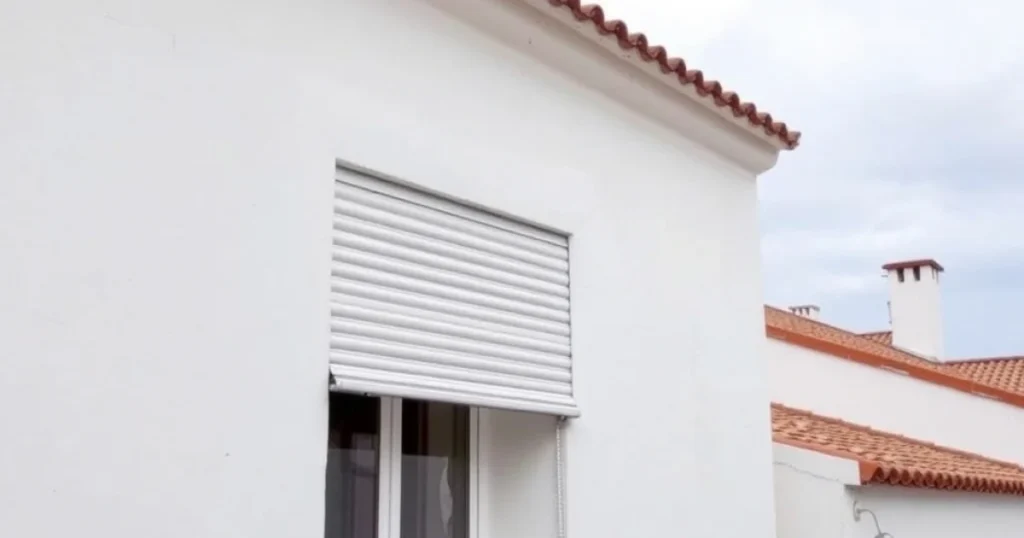
Run every shutter up and down once. The first autumn storms push slats out of their guides, and a shutter that sticks halfway on a windy night is a common call out in November. Look at the inside of the shutter box above the window too: water marks there mean rain is getting in at the top of the window.
7. The chimney
If the house has a fireplace or a wood burner, check that the chimney cap is in place and that birds have not nested in the flue over the summer. Have it swept before the first fire. A blocked flue sends smoke and carbon monoxide back into the room, and a cracked chimney stack lets rain into the roof space.
8. Drains and grates around the house
Patios, yards and paths have their own drains and gutter grates, and a summer fills them with sand, leaves and dust. Clear them, and check that water runs away from the house rather than towards the walls. If the house is on a septic tank, check that the area around the tank and its soakaway is clear, because heavy rain on a full tank is how smells and overflows start.
9. The garden: trees, branches and loose things
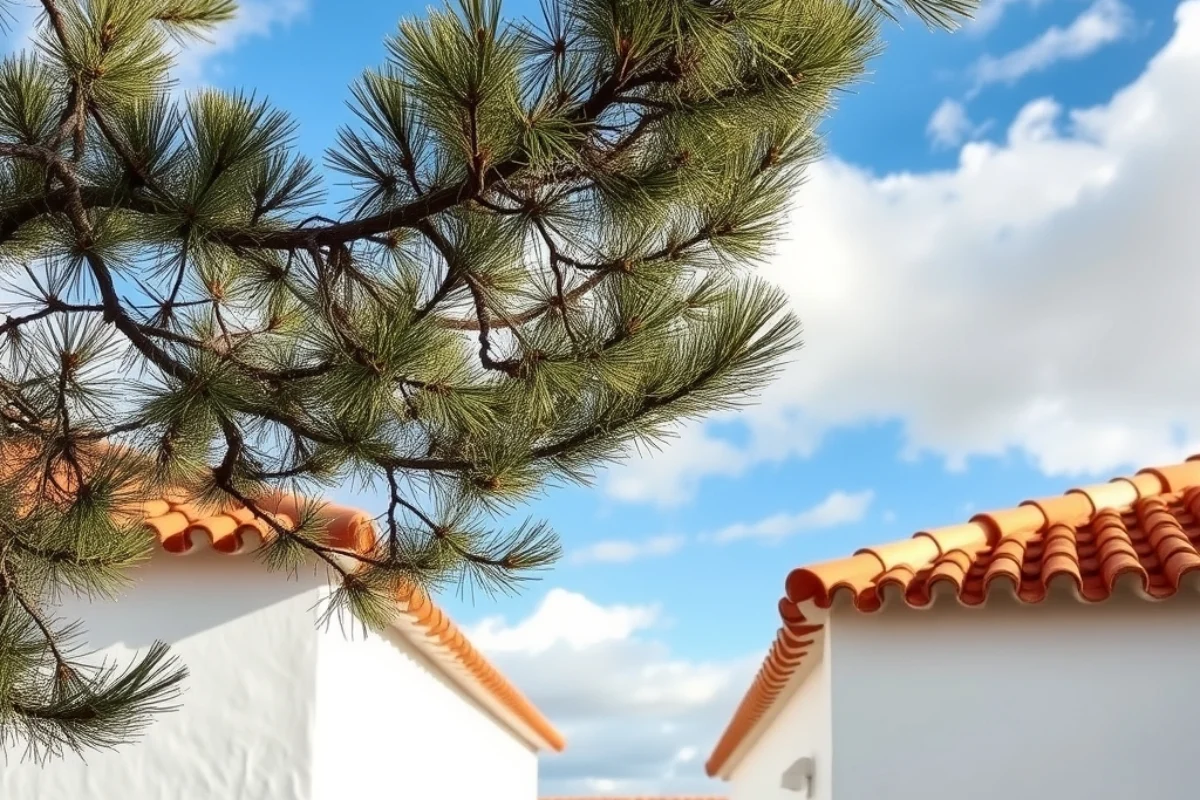
Trim branches that touch the roof, the gutters or overhead cables, because the first gale brings them down. Pine, eucalyptus and old carob trees near houses in the campo deserve a careful look. Store or tie down anything the wind can move: parasols, light chairs, plant pots on walls, loose sheets on a pergola. In Cabanas and Santa Luzia, close to the sea, the wind in a storm is stronger than people expect.
10. Inside: ventilation and the small things
The last check is inside. A closed or lightly used house in winter collects moisture, and mould on walls is usually condensation, not a leak, which we explained in why Algarve houses grow mould in winter. Make sure air can move, clear the vents, and consider a dehumidifier in the worst room. Change the batteries in smoke alarms and in any carbon monoxide alarm near a gas water heater or a fireplace.
If the house is going to stand empty for the winter, the plumbing has its own list, which we set out in leaving your Algarve house empty for winter.
After the first storm
The checks before winter are half the job. The other half is a quick walk round after the first heavy rain, because that is when problems show while they are still small. Look at the ceilings of the top floor rooms, especially under terraces, for new stains. Look at the walls behind wardrobes and in corners for damp. Go up to the terrace and check that the drains emptied and nothing is pooling. Look at the bottom of the downpipes for water spilling where it should not.
A stain that appears after the first storm is much cheaper to deal with in November than in March, after a winter of rain has gone through the same gap. Take a photo of anything you find, with the date, so you can compare after the next rain.
The ten checks on one page
If you are not here to do it
Many houses around Tavira belong to owners who live abroad, and October is exactly when they are not here. A property check visit covers the walk round, the terrace drains, the gutters within reach and a photo report, and the same visit after a storm catches problems while they are still small. You can see how this works on our page about property maintenance in Tavira.
On the prices published by our handyman team in July 2026, a single check visit is 35 euros, a monthly care plan with two visits and keyholding starts at 60 euros a month, and small repairs are charged by the hour. These are indicative figures. Every house is different, and the final price depends on its size, the access and what the visit finds, so ask for a quote for your property.
Frequently asked questions
When should I prepare my Algarve house for the winter rain?
In October, before the first heavy rain. Most of the year’s rain falls between October and March, and it often comes in a few heavy days, so the checks are worth doing early.
What causes most winter leaks in Algarve houses?
Blocked drains on flat roof terraces and blocked gutters. When water cannot get away, it pools and finds every crack in the tiles and the waterproofing.
Is a crack in the render a problem?
Fine cracks are normal. New, wide or diagonal cracks from the corners of windows and doors let water into the wall and should be looked at before winter.
Do I need to clean the gutters every year?
Yes, at least once in October, and again after storms if there are trees nearby. A blocked gutter overflows down the front of the house or pushes water back under the tiles.
Can someone check my house if I live abroad?
Yes. On our published July 2026 prices, a single check visit is 35 euros and a monthly care plan starts at 60 euros. Every house is different, so ask for a quote.